Are RIB Boats Safe in Rough Seas? Rigid Inflatable Boat Safety Guide
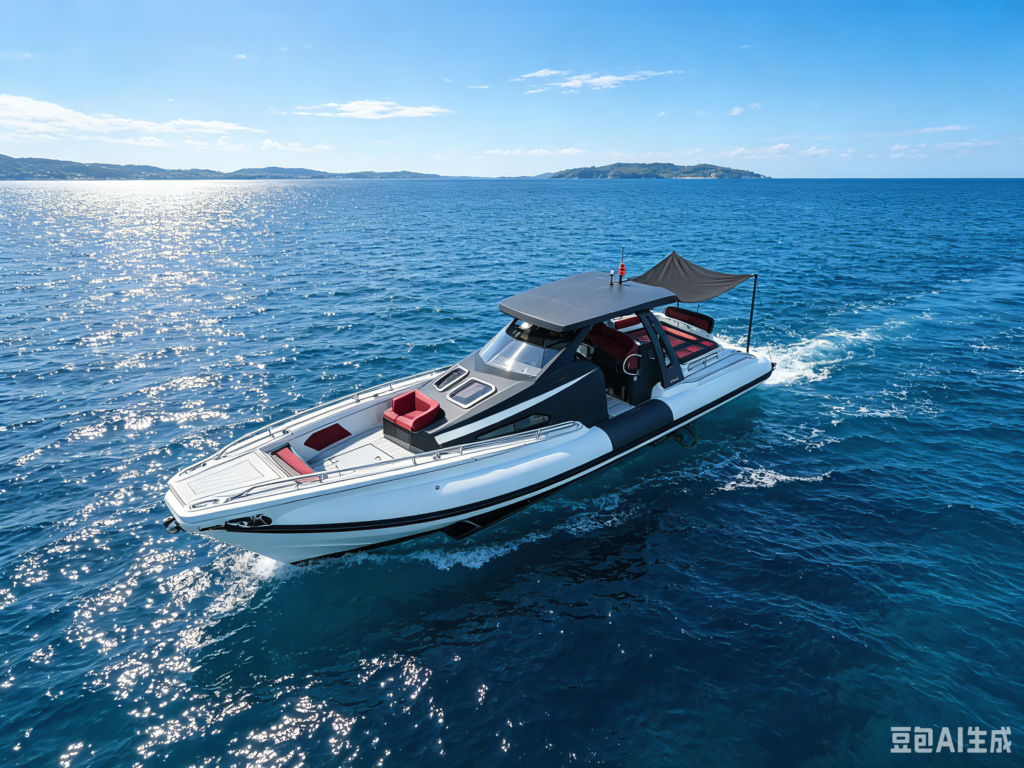
Many coastal anglers and leisure boaters ask: are RIB boats safe in rough seas? When compared to standard dinghies and traditional solid-hull vessels, a quality RIB boat delivers unique stability and seaworthiness in choppy, rough ocean conditions. A rigid inflatable boat combines the toughness of a hard hull and the buoyancy of inflatable side tubes, making an inflatable RIB boat one of the safest small watercraft for unpredictable coastal waters. Whether you own an aluminum RIB boat or a premium fiberglass RIB, understanding rough-water limits will help you operate your vessel safely year-round.
Why a RIB Boat Performs Better in Rough Seas
The reason a rigid inflatable boat handles rough seas better than ordinary boats lies in its dual structural design. The rigid hull provides directional stability, wave-cutting ability, and speed control, while the large inflatable side tubes add constant buoyancy and prevent capsizing in confused waves. Unlike fully inflatable boats that flex and lose control in rough water, a true RIB boat maintains a firm hull shape even under heavy wave pressure.
An inflatable RIB boat also features a naturally shallow draft and wide beam, allowing it to ride over choppy surface water instead of punching through waves aggressively. This design drastically reduces the risk of swamping and improves passenger comfort during rough offshore conditions.
Aluminum RIB Boat vs Fiberglass RIB in Rough Water
If you are evaluating are RIB boats safe in rough seas, hull material makes a noticeable difference in real-world performance.
Aluminum RIB Boat Rough Water Performance
An aluminum RIB boat is extremely durable in rough seas and rocky coastal environments. Its welded metal hull resists impact damage, scrapes, and sudden wave shocks that can crack or chip a standard fiberglass RIB. For boaters who fish rough shorelines, operate in shallow choppy water, or run early-morning choppy conditions, analuminum RIB boat offers superior reliability and safety.
Fiberglass RIB Rough Water Performance
A fiberglass RIB provides a smoother, quieter ride in rough seas. Its sleek hull shape reduces wave impact noise and hull vibration, making long choppy rides more comfortable. While slightly less impact-resistant than an aluminum RIB boat, a well-built fiberglass RIB still delivers excellent rough-water stability for recreational and light commercial use.
Real Rough-Sea Limits for a Rigid Inflatable Boat
Although a RIB boat is safer than most small boats, it still has clear operational limits in rough seas. Standard mid-size inflatable RIB boat models handle wind speeds up to 15–20 knots and wave heights up to 1.5 meters safely. Beyond these conditions, even the toughest rigid inflatable boat will struggle with unstable wave patterns and heavy spray.
Larger heavy-duty aluminum RIB boat and commercial-grade fiberglass RIB models can handle more extreme rough seas, often used by rescue teams for emergency coastal operations. However, all small RIB boat vessels should avoid open ocean travel during storms or large swell events.
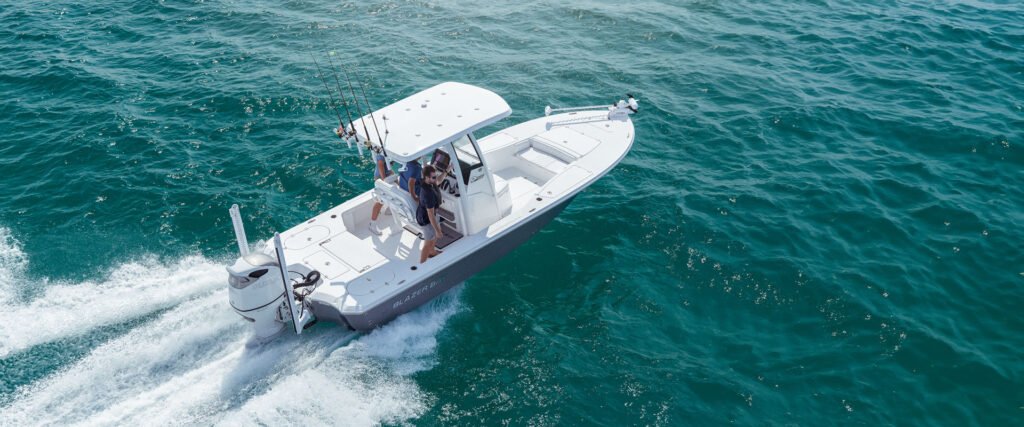
Key Safety Features That Make a RIB Boat Stable in Rough Seas
Buoyant inflatable tubes: Prevent rolling and capsizing when hit by side waves
Rigid deep-V hull: Cuts through rough sea swells and maintains straight tracking
Self-draining deck: Removes splash water instantly to avoid excess weight buildup
Low center of gravity: Keeps the rigid inflatable boat stable in choppy waterBest Practices for Running a RIB Boat in Rough Seas
To maximize safety when operating an inflatable RIB boat in rough seas, always reduce speed, maintain a steady heading into waves, and avoid turning sideways to large swells. Overloading an aluminum RIB boat or fiberglass RIB will drastically reduce rough-water stability and increase capsizing risk.
Always check marine weather forecasts before heading offshore, and stay within the safe operational limits of your RIB boat size and hull type.
If you want to learn more about RIB boat functions, read our full guide: what is a RIB boat used for.
Explore more saltwater fishing vessel options: best offshore fishing boat for open water stability.
For professional boating safety guidelines, visit US Powerboating.